





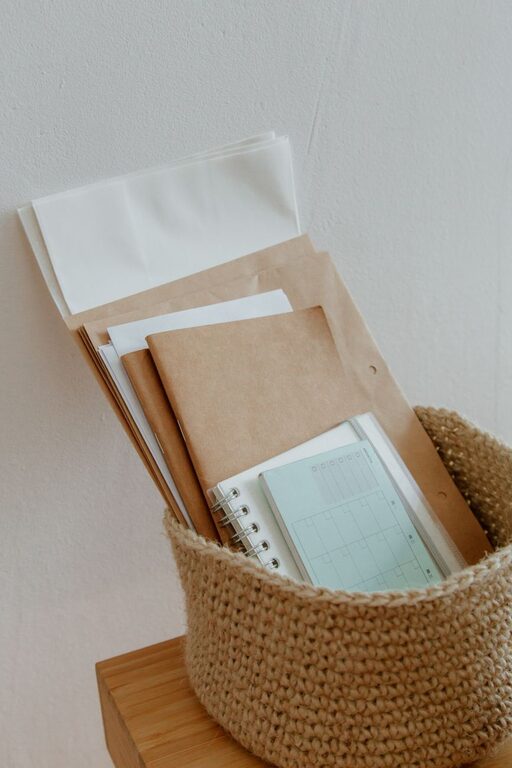
Reducing household paper clutter can feel like a daunting task, but with some simple strategies and consistent habits, you can create a more organized and stress-free environment. Paper tends to accumulate quickly—from mail and bills to school papers and receipts. This guide offers easy and practical ways to manage and minimize paper clutter in your home.
Why Reduce Paper Clutter?
Before diving into the tips, it’s helpful to understand why reducing paper clutter matters. Excess paper can lead to:
– Difficulty finding important documents
– A messy and stressful living space
– Increased risk of losing important information
– Wasted time sorting through piles
By taking control of paper clutter, you not only keep your home tidy but also save time and reduce stress.
Step 1: Create a Paper Management System
To manage incoming paper efficiently, set up a simple system that works for your lifestyle.
Designate a “Paper Station”
Choose a convenient spot in your home for sorting and managing paper, such as a kitchen counter or a small desk area. Equip this space with:
– A tray or basket for mail
– An inbox for papers you need to review
– Files or folders for organizing important documents
Having a dedicated spot helps prevent piles from spreading throughout your home.
Sort Mail Immediately
When you bring in mail, take a moment to sort it:
– Recycle junk mail right away.
– Place bills and documents needing action into your inbox.
– File important papers immediately.
Quick sorting prevents buildup and keeps paper under control.
Step 2: Go Digital Where Possible
Switching to digital documents can dramatically reduce paper clutter.
Opt for Paperless Billing and Statements
Many service providers offer paperless billing options. Signing up for electronic statements means:
– Bills arrive in your email, not your mailbox
– You can access records online anytime
– Reduced paper waste in your home
Use Digital Note-Taking and Lists
Instead of sticky notes or paper notepads, try digital tools for reminders and lists. Smartphone apps or simple text files make it easy to keep track without paper.
Scan Important Documents
Consider scanning essential papers like warranties, receipts, and guarantees. Digital copies take up no physical space and are easier to organize and search.
Step 3: Declutter and Organize Existing Paper
If you already have stacks of paper, it’s important to sort through and organize what you want to keep.
Set Aside Time for Sorting
Choose a quiet time to go through your papers in batches. Spread the task over a few days if needed to avoid feeling overwhelmed.
Use a Simple Filing System
Create categories based on your needs, such as:
– Bills and financial records
– Medical documents
– Education and school papers
– Personal and legal documents
Label folders clearly and keep them in a file box or cabinet. This makes it easier to find papers later.
Shred or Recycle Unnecessary Papers
Protect your privacy by shredding sensitive documents, and recycle the rest responsibly. Regularly clearing out unneeded papers keeps clutter from returning.
Step 4: Control Incoming Paper
Preventing paper clutter starts with reducing what enters your home.
Unsubscribe from Unwanted Mail
Remove yourself from mailing lists that send catalogs, coupons, or magazines you don’t want. There are online services that help you opt out of junk mail.
Limit Printed Materials
Only print documents when absolutely necessary. Instead, view or save files digitally whenever possible.
Create a Family Mail Routine
Encourage everyone in your household to handle their mail and paper items promptly, following the same sorting and filing habits.
Step 5: Maintain Your Paper Organization Habits
The key to long-term success is consistency.
Weekly Paper Maintenance
Set aside a few minutes each week to:
– Sort new mail and papers
– File important documents
– Recycle unneeded papers
This prevents piles from building up again.
Regularly Review Your Filing System
Periodically check your files and clear out outdated documents. Keeping your system current means less clutter over time.
Use Reminders and Labels
Label folders and boxes clearly, and keep reminders to maintain your paper habits. Visual cues and gentle prompts make staying organized easier.
Final Thoughts
Reducing household paper clutter is a manageable task when you use simple, effective strategies. By establishing a paper management system, going digital where you can, decluttering regularly, controlling incoming paper, and maintaining your organization habits, you’ll enjoy a cleaner and more efficient living space. Start small, stay consistent, and the difference will be noticeable before you know it!




More Stories
How to Keep a Tidy Fridge and Pantry: Simple Tips for Organized Storage
How to Organize Cables and Chargers Neatly for a Clutter-Free Space
Effective Tips for Organizing Files on Your Computer