





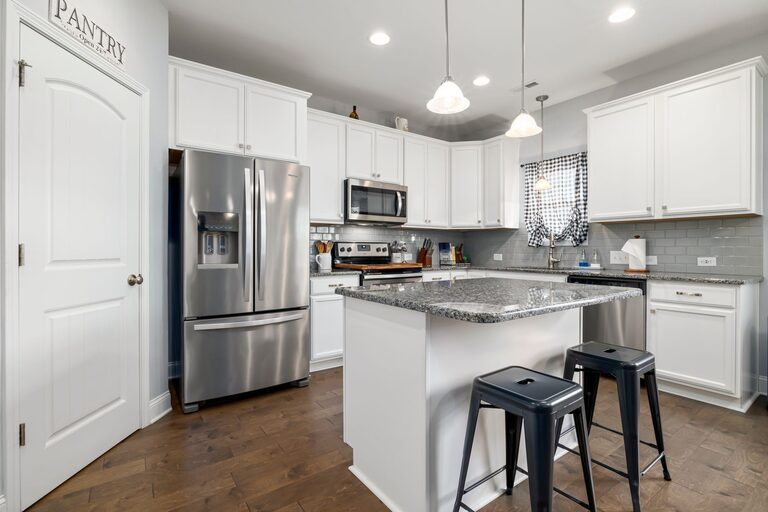
Keeping your fridge and pantry tidy can seem like a never-ending task, but with a few simple habits and smart storage solutions, you can maintain an organized kitchen that makes meal prep and grocery shopping easier. A well-organized fridge and pantry not only look good but also help reduce food waste, save money, and maintain food safety. In this guide, we’ll explore practical tips you can apply right away to keep your food storage areas clean and orderly.
Why Keeping Your Fridge and Pantry Tidy Matters
Before diving into the how-to, it’s worth understanding why this effort is worthwhile:
– Food safety: A clean fridge minimizes the risk of cross-contamination and spoilage.
– Reduce waste: Seeing what you have helps prevent buying duplicates and ensures you use foods before they expire.
– Efficiency: An organized space makes cooking and meal planning faster and less stressful.
– Space maximization: Proper storage helps you get the most out of your available space.
Getting Started: Clearing and Cleaning
1. Empty Your Fridge and Pantry
Start with a blank slate. Remove all items, including shelves or drawers if possible. This allows you to:
– Check expiration dates and toss spoiled or unwanted items.
– Clean every surface thoroughly.
– Assess the space for your storage plan.
2. Clean Thoroughly
Use a mild cleaning solution, such as warm water mixed with a few drops of dish soap or baking soda. Wipe down shelves and drawers carefully, then dry them completely to avoid moisture buildup.
Organizing Your Pantry
3. Group Similar Items Together
Sort your pantry contents into categories. Common groupings include:
– Grains and pasta
– Baking supplies
– Canned goods
– Snacks
– Spices and seasonings
– Breakfast foods
Using categories simplifies finding items and maintaining order.
4. Use Clear Containers and Labels
Transfer loose or bulky items like flour, rice, or cereal into clear, airtight containers. Benefits include:
– Better visibility of contents
– Protection from pests and moisture
– Longer freshness
Label each container clearly with the item name and expiry date if possible.
5. Utilize Vertical Space
Add shelving risers, stackable bins, or hanging baskets to maximize space. This helps prevent clutter and keeps items accessible.
6. Place Frequently Used Items at Eye Level
Keep your most-used ingredients within easy reach, while less common items can be stored higher or lower.
Organizing Your Fridge
7. Follow the Fridge Zones
Different fridge areas have varying temperatures. Here’s a simple way to organize:
– Top shelves: Ready-to-eat foods like leftovers, drinks, and prepared meals.
– Middle shelves: Dairy products such as milk and cheese.
– Bottom shelves: Raw meat, poultry, and fish (store in sealed containers to prevent drips).
– Crisper drawers: Fruits and vegetables stored separately.
– Door shelves: Condiments, juices, and items that tolerate temperature changes.
8. Use Clear Bins and Labels
Much like the pantry, clear bins help group small items like yogurt cups, snack packs, or cheese slices. Label these bins for easy access.
9. Don’t Overcrowd
Avoid stuffing the fridge to allow proper air circulation and maintain consistent temperatures.
10. Keep a Running Inventory
Place a whiteboard or note near your fridge listing what’s inside and when items expire. This prevents forgotten or spoiled food.
Maintaining Your Organized Spaces
11. Weekly Quick Checks
Spend a few minutes each week tidying up, wiping spills, and removing expired products. This prevents buildup and keeps things manageable.
12. Plan Grocery Shopping Accordingly
Before shopping, review your inventory to avoid buying duplicates. Stick to your shopping list to maintain order.
13. Use First In, First Out (FIFO)
Arrange items so that older products are in front and newer ones are in the back, encouraging you to use foods in order.
Bonus Tips
– Use silicone mats in fridge drawers to absorb moisture and reduce cleaning time.
– Freeze leftover herbs or sauces in ice cube trays for easy portioning.
– Consider adjustable shelving or modular storage solutions to customize your spaces.
– For pantries without doors, consider using decorative baskets or containers to keep the area neat.
Conclusion
A tidy fridge and pantry aren’t just about aesthetics—they contribute to healthier, more efficient cooking and reduce food waste. By regularly cleaning, grouping items logically, using proper containers, and adopting simple habits like labeling and inventory tracking, you can enjoy a well-organized kitchen space every day. Start with one step at a time, and soon maintaining order will become a natural part of your routine. Happy organizing!




More Stories
Simple Ways to Reduce Household Paper Clutter
How to Organize Cables and Chargers Neatly for a Clutter-Free Space
Effective Tips for Organizing Files on Your Computer